



Exploring Quadratic Voting in Blockchain: Empowering Governance
With public trust in centralized systems eroding, new frameworks like quadratic voting on the blockchain are gaining traction. Quadratic voting (QV) presents an innovative method where users can express the intensity of their preferences, rather than just a binary choice. This article dissects the implications of quadratic voting in the blockchain ecosystem, detailing its potential applications and benefits.
What is Quadratic Voting?
Quadratic voting is a voting mechanism designed to capture the intensity of voter preferences. Unlike traditional voting systems where individuals typically cast one vote per option, in quadratic voting, individuals can purchase votes for options they care about using a quadratic cost function. In essence, if you want to express a stronger preference for a particular option, you need to spend more votes, which means you’ll incur a higher cost equal to the square of the number of votes bought.
- More engaged discourse among voters.
- Reduction of strategic voting bias.
- Enhanced granularity of voter preference representation.
This method encourages voters to think carefully about their preferences and can lead to more representative outcomes. In a blockchain context, implementing QV could revolutionize governance models and voting systems.
The Mechanics of Quadratic Voting on Blockchain
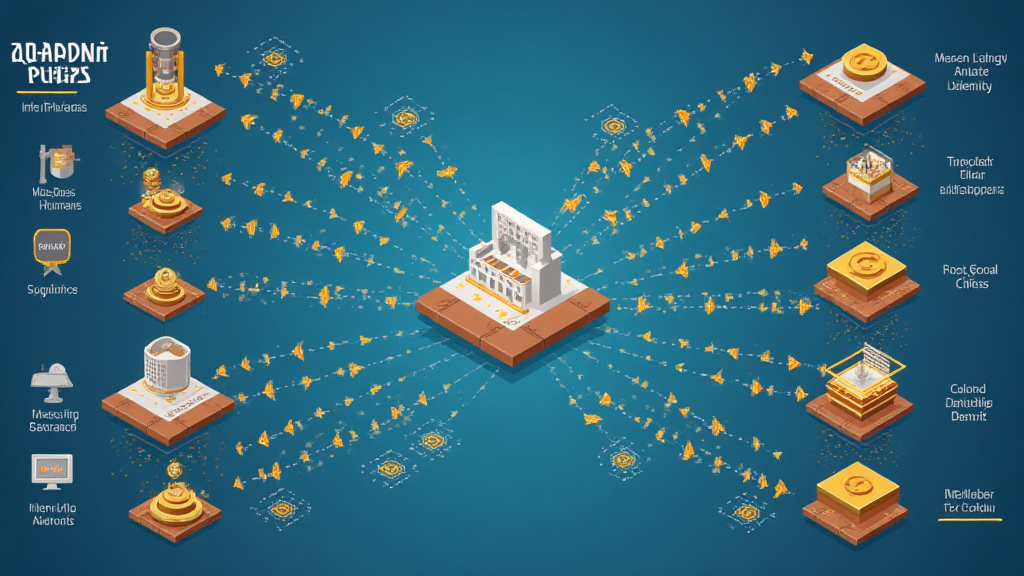
Implementing quadratic voting on a blockchain is a multifaceted process involving several key elements:
- Tokenization of Votes: Each vote can be represented as a token, allowing for traceability and anonymity.
- Smart Contracts: Governance rules can be seamlessly executed using smart contracts, minimizing the possibilities of fraud.
- Decentralization: Ensuring votes are counted and recorded without a central authority enhances trust among participants.
When combined with blockchain technology, quadratic voting can achieve a variety of governance models, allowing for enhanced democratic processes in decentralized organizations.
Case Study: Implementing Quadratic Voting in Vietnam
In Vietnam, the adoption of blockchain technology is growing rapidly, with a reported user growth rate of approximately 35% annually. Consequently, there is a significant opportunity to implement quadratic voting mechanisms to engage the populace in decision-making processes.
For instance, let’s propose a pilot project where local communities can use QV to vote on public spending initiatives. By allocating votes based on their preferences toward various projects (e.g., education, healthcare, infrastructure), communities can reflect the intensity of their choices more accurately. This could lead to greater satisfaction with how local resources are allocated.
The Advantages of Quadratic Voting in Decentralized Governance
Quadric voting offers several advantages in decentralized governance systems. Here are a few key benefits:
- Reduced Noise: By allowing individuals to express the intensity of their preferences, QV can help filter out less meaningful votes.
- Encouragement of Participation: Individuals are incentivized to participate as their preferences can be expressed more robustly.
- Cost of Voting: The quadratic cost function (x²) ensures that harm done by strategic or frivolous voting is minimized.
These elements create a more engaged community and foster a sense of ownership over communal decisions.
Challenges of Implementing Quadratic Voting on Blockchain
Despite its promising advantages, there are several challenges when implementing quadratic voting on the blockchain:
- Complexity: The mathematical underpinnings of quadratic voting can be complex for the general public, potentially hindering participation.
- Voter Education: Users need to understand how to allocate their votes effectively; without proper education, the system could falter.
- Voter Tokenization: Safeguarding against acquiring votes through financial means can skew results and will require robust identity verification protocols.
Addressing these challenges will be critical for the successful implementation of QV in blockchain systems.
Looking Ahead: Quadratic Voting in 2025
As we approach 2025, the integration of quadratic voting into various blockchain platforms could reshape governance frameworks. With regulatory bodies increasingly scrutinizing crypto operations, a transparent QV system may provide the clarity needed. Such an ecosystem is more likely to align with principles of tiêu chuẩn an ninh blockchain, enhancing trust among stakeholders.
Furthermore, as the landscape of digital governance evolves, the potential for QV in taxation, resource distribution, and community decision-making could revolutionize how we interact with digital assets.
Conclusion: The Future of Quadratic Voting in Blockchain
Quadratic voting represents a fascinating evolution in the way we can think about governance in the blockchain space. By providing a method for expressing preference intensity, QV empowers individuals and can enhance community engagement drastically.
If we can overcome the barriers to entry and educate users, quadratic voting has the potential to revolutionize decision-making processes across various sectors, especially in rapidly growing markets like Vietnam.
For anyone looking to understand the nexus between blockchain and governance more clearly, exploring quadratic voting is essential. Looking ahead, the innovation this could spur in governance models is immeasurable.
To learn more about leveraging blockchain for effective governance, visit bitcoincashblender.
About the Author
John Doe is a renowned blockchain consultant with over a decade of experience in decentralized systems. He has authored numerous papers focusing on governance models in blockchain and led many significant audits for top projects in the industry.