



Stablecoin Usage in Vietnam: Trends and Opportunities
As the digital currency landscape continues to evolve,
The Rise of Cryptocurrency in Vietnam
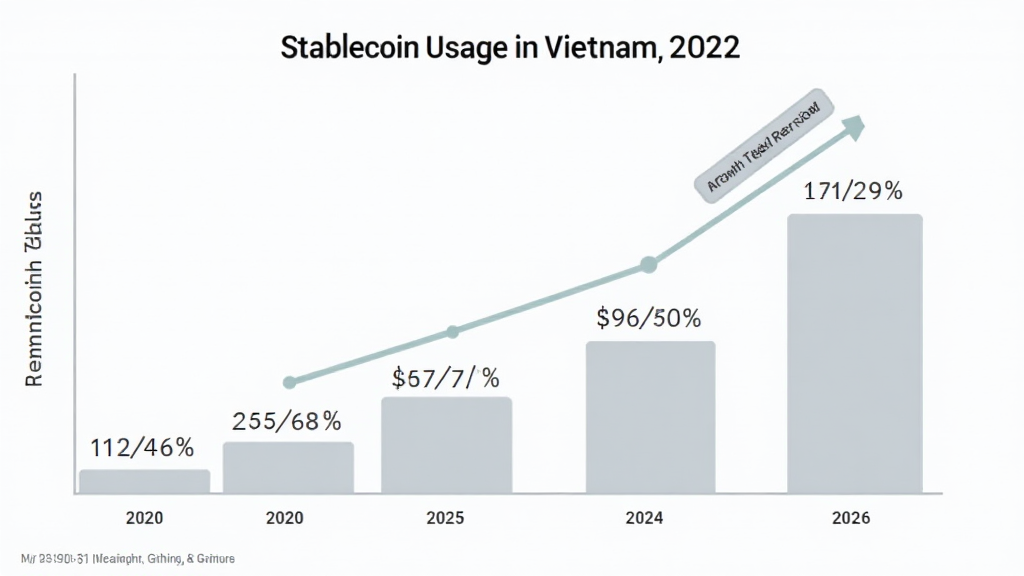
Vietnam has seen a remarkable increase in cryptocurrency adoption over the last few years. Recent studies indicate that over 40% of the population is now familiar with digital assets. Particularly relevant is the significant growth of stablecoins which offer a more secure and less volatile alternative to traditional cryptocurrencies like Bitcoin.
- In 2020, Vietnam’s cryptocurrency market was valued at approximately $7 million.
- By mid-2023, the local market had expanded to nearly $1 billion.
This explosive growth can be attributed to several factors, including:
- Increasing Internet penetration: About 73% of the Vietnamese population currently has Internet access.
- A growing interest in trading and investment among younger demographics.
- The potential to utilize stablecoins for transactions, remittances, and smart contracts.
Understanding Stablecoins
Stablecoins are digital currencies designed to maintain a stable value against a specific asset, often a fiat currency like the US dollar. This stability makes them particularly attractive for both investors and businesses. Unlike the volatility of Bitcoin or Ethereum, stablecoins are pegged to traditional assets, mitigating the risk of drastic price fluctuations.
Types of stablecoins include:
- Fiat-collateralized stablecoins: Backed 1:1 by reserves of the underlying currency.
- Crypto-collateralized stablecoins: Secured by other cryptocurrencies, which are used as collateral.
- Algorithmic stablecoins: Use algorithms to control supply and demand.
Stablecoin Adoption in Vietnam
The regulatory environment in Vietnam has been evolving, with authorities showing interest in blockchain technologies and stablecoins. As of January 2023, the State Bank of Vietnam proposed a pilot program for the testing of digital currencies, indicating a positive shift toward embracing digital finance.
Despite current restrictions on cryptocurrency payments, Vietnamese users have creatively found ways to utilize stablecoins. For instance, they are being increasingly used for:
- Remittances: Stablecoins provide a cheaper and faster alternative for sending money across borders.
- Online shopping: More platforms are beginning to accept stablecoins as a payment method.
- DeFi applications: Users can engage in decentralized finance by using stablecoins for lending and borrowing.
Market Trends Impacting Stablecoin Usage
The local adoption rate is also influenced by global trends. Some key factors driving the growth of stablecoins in Vietnam include:
Future Outlook: 2025 and Beyond
As we look towards 2025, the potential for stablecoin usage in Vietnam seems promising. With several initiatives and pilot programs being introduced, experts predict a significant increase in the use of stablecoins across various sectors. Financial institutions are also expected to play a prominent role in this growth.
Here’s what we can expect:
- Increased regulatory clarity: With frameworks surrounding stablecoins being developed, users will have confidence in utilizing these digital assets.
- Integration with traditional banking systems: Services that allow direct conversions between stablecoins and fiat currencies will likely emerge.
- Expanding use cases: Companies will experiment with stablecoins to improve liquidity and streamline payment processes.
Challenges to Overcome
While the outlook is bright, there are certain challenges that must be addressed to ensure the sustainable growth of stablecoins in Vietnam:
- Regulatory hurdles still exist, and compliance with government regulations is necessary.
- Public perception: Education about stablecoins is required to promote wider acceptance.
- Technological infrastructure: Investments in technology are needed to support the increased transaction volumes.
Conclusion
In summary, the
For anyone looking to participate in this exciting new landscape, whether as an investor or a business owner, understanding the dynamics at play will be key to navigating the future of finance in Vietnam. As we step into 2025, be prepared for a wave of innovation driven by stablecoins.
Bitcoincashblender can guide you through the stablecoin landscape and how to leverage these assets effectively.