



A Comprehensive Blockchain Layer 2 Guide
The rise of blockchain technology has transformed various industries and created new opportunities in the realm of finance, particularly with cryptocurrencies. However, the scalability of blockchain networks has been a significant concern, leading to the development of Layer 2 solutions. In this guide, we will explore the various aspects of Blockchain Layer 2 technology.
What Are Blockchain Layer 2 Solutions?
At its core, Layer 2 solutions refer to technologies built on top of an existing blockchain (Layer 1) to enhance scalability and transaction speed. These solutions can significantly reduce congestion on the main blockchain. According to a 2025 report by Blockchain Research Institute, Layer 2 implementations can increase transaction speeds by more than 1000% compared to traditional Layer 1 blocks.
Why Do We Need Layer 2?
The original blockchain technology, like Bitcoin and Ethereum, often faces issues like slow transaction speeds and high fees during peak times. Layer 2 aims to alleviate these issues. Here’s the catch:
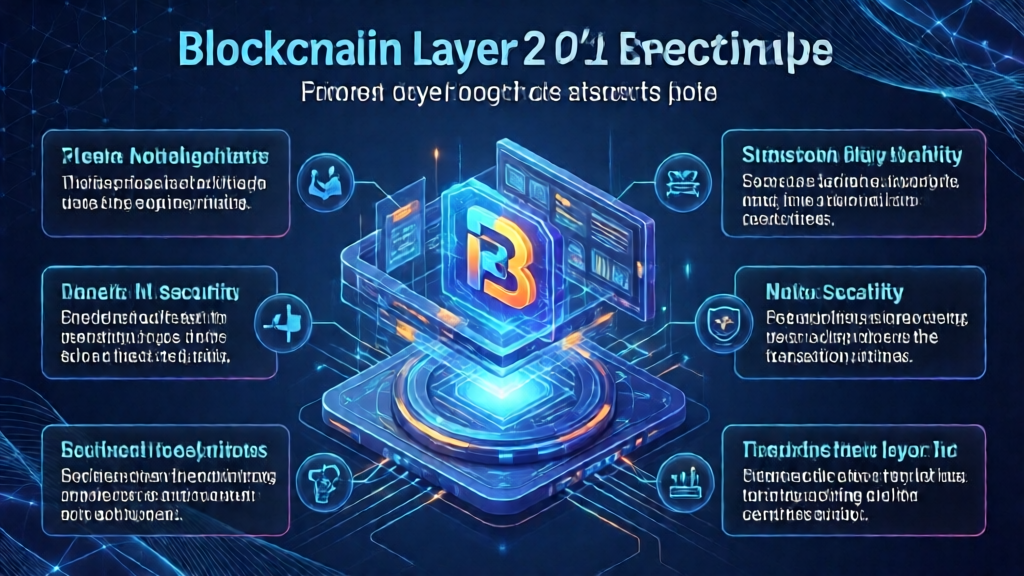
- Scalability: Layer 2 solutions enable networks to handle a larger number of transactions per second.
- Reduced Costs: Transaction fees can drop significantly due to reduced congestion.
- Enhanced User Experience: Faster transactions improve overall user satisfaction.
Types of Layer 2 Solutions
Now that we understand the need for Layer 2 solutions, let’s break it down into the main types:
1. State Channels
State channels allow participants to transact off the main blockchain. This approach essentially creates a private channel for two parties, only submitting their final result to the blockchain. A well-known project that utilizes state channels is Lightning Network on Bitcoin.
2. Rollups
Rollups bundle numerous transactions into a single one before sending it to the main chain. There are two types of rollups: Zero-Knowledge Rollups (ZK-Rollups) and Optimistic Rollups. According to recent analyses, rollups can potentially reduce fees by 75%.
3. Sidechains
Sidechains are separate blockchains that run parallel to the main chain. They can have their tokenomics and can be used for specific applications. For instance, Liquid Network is a popular sidechain for Bitcoin.
How Layer 2 Enhances Security
Despite the performance improvements, security remains a top priority. Layer 2 solutions implement several mechanisms to ensure user safety:
- Trustless Environment: Most solutions reduce counterparty risk, as no centralized entity controls them.
- Decentralization: Many Layer 2 solutions retain the decentralized characteristics of their Layer 1 counterparts.
- Auditability: Transactions and interactions can often be traced or audited for transparency.
Real-World Use Cases of Layer 2 Solutions
Here are some practical applications of Layer 2 technology:
- Decentralized Finance (DeFi): Platforms like Aave and Uniswap leverage Layer 2 to facilitate more efficient trading.
- Gaming: Blockchain-based games can overcome latency issues through Layer 2 solutions, improving player experience.
- Microtransactions: Low-fee transactions open new possibilities for content creators to monetize their work effectively.
Market Trends and Data Insights
According to a recent industry report, the Layer 2 scaling solutions market is expected to grow significantly, projected to reach $30 billion by 2025. This considerable growth indicates that developers and businesses are increasingly adopting Layer 2 for its advantages.
How to Choose the Right Layer 2 Solution
Selecting an appropriate Layer 2 solution depends on several factors:
- Use Case: Identify your project’s specific needs—whether you require speed, security, or costs.
- Compatibility: Ensure the Layer 2 solution works well with the existing blockchain architecture.
- Community Support: A strong developer community can contribute to the long-term viability of a Layer 2 solution.
Future of Layer 2 Solutions
The future of blockchain scalability hinges on effective Layer 2 solutions. As the technology continues to mature, we may see:
- Greater Interoperability: Solutions that allow effortless movement between different blockchain networks.
- Innovative Applications: New use cases will emerge as developers create more efficient platforms.
- Regulatory Compliance: As regulations evolve, Layer 2 solutions will adapt to meet compliance demands.
In conclusion, Blockchain Layer 2 solutions are vital for the future success of cryptocurrencies, enabling scalability, efficiency, and better user experiences. Understanding these solutions is crucial for anyone looking to engage with the cryptocurrency market.
Your engagement with platforms like bitcoincashblender can be significantly enhanced by integrating Layer 2 technologies.
Authored by Dr. Alice Tran, a blockchain researcher with over 15 published papers and experience leading security audits for notable projects in the cryptospace.